
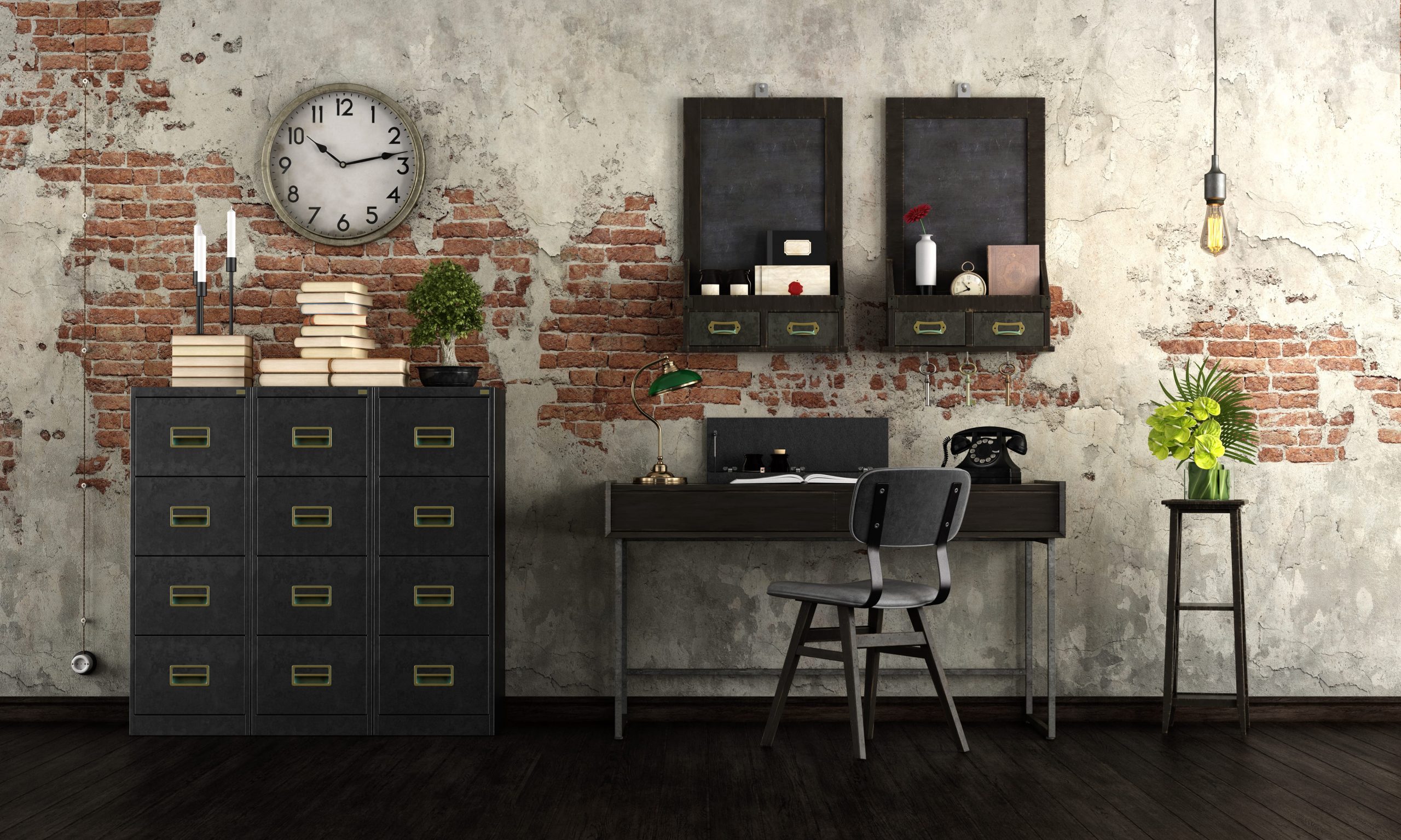
As remote work and flexible schedules become more common, having a well-designed home office is no longer a luxury—it’s a necessity. A thoughtfully planned workspace can significantly improve productivity, focus, and overall well-being. Unlike traditional corporate offices, a home office offers the freedom to personalize every detail, from furniture selection to lighting and décor. However, designing a space that is both functional and visually appealing requires careful consideration.
A successful home office should balance comfort and efficiency. It needs to support long hours of work while minimizing distractions. Factors such as lighting, storage, ergonomics, and layout all influence performance and mood. Whether working with a dedicated room or a small corner in a living area, smart design choices can transform any space into a professional and inspiring environment. By exploring creative ideas and practical solutions, homeowners can build a workspace that enhances both productivity and style.
Choosing the Right Location and Layout
The foundation of an effective home office begins with selecting the right location. Ideally, a dedicated room with a door provides privacy and reduces distractions. However, not everyone has that luxury. In smaller homes or apartments, a quiet corner of the bedroom or living area can be converted into a productive workspace with the right setup.
Positioning the desk near natural light is highly beneficial. Exposure to daylight enhances focus and reduces eye strain. If possible, place the desk perpendicular to a window to avoid screen glare while still benefiting from brightness. In shared spaces, room dividers or shelving units can create separation without requiring permanent construction.
Within modern functional home workspace design solutions, layout efficiency is essential. Keeping frequently used items within arm’s reach improves workflow. Minimizing clutter ensures that the space remains visually calm and mentally stimulating.
Thoughtful placement and spatial planning form the backbone of a productive home office.
Ergonomic Furniture for Comfort and Health
Comfort plays a critical role in maintaining productivity during long working hours. Investing in ergonomic furniture helps prevent back pain, neck strain, and fatigue. An adjustable office chair with lumbar support is one of the most important elements in any home office setup.
Desks should be positioned at a height that allows arms to rest comfortably at a 90-degree angle while typing. Adjustable standing desks are increasingly popular because they encourage movement and reduce prolonged sitting. Proper monitor placement—at eye level and about an arm’s length away—also supports healthy posture.
Footrests, wrist supports, and keyboard trays further enhance ergonomic alignment. While stylish furniture may look appealing, comfort should never be compromised for aesthetics.
Incorporating ergonomic elements ensures that the workspace supports long-term health and efficiency. A well-designed office prioritizes both form and function.
Smart Storage and Organization Ideas
Clutter can significantly reduce productivity. Organized storage systems create a cleaner environment and make it easier to focus on tasks. Floating shelves, built-in cabinets, and multi-functional desks with drawers maximize available space.
For smaller offices, vertical storage is particularly useful. Wall-mounted organizers keep supplies accessible without occupying floor space. Filing cabinets or labeled boxes help manage paperwork effectively.
Cable management solutions—such as cord organizers and hidden power strips—contribute to a tidy and professional appearance. Keeping surfaces clear improves visual clarity and reduces mental distractions.
In broader modern interior organization and productivity planning concepts, efficient storage enhances workflow and maintains a calm atmosphere. An organized office fosters clear thinking and streamlined daily routines.
Practical storage solutions ensure that design aesthetics do not compromise functionality.
Lighting and Color Schemes That Boost Focus
Lighting dramatically influences mood and concentration. Natural light remains the best option, but layered lighting can compensate in darker spaces. Combining overhead lighting with desk lamps and accent lights creates balanced illumination.
Warm lighting promotes comfort, while cooler white light enhances alertness. Adjustable lamps allow customization depending on time of day and task requirements. Avoid harsh fluorescent lighting, which can cause eye strain.
Color choices also impact productivity. Neutral tones like white, beige, or soft gray create a calming environment. Adding accents of blue or green may promote focus and creativity. Personal touches—such as artwork or indoor plants—add warmth without overwhelming the space.
A thoughtful blend of lighting and color transforms a simple workspace into an energizing environment that supports sustained attention.
Personalizing Your Home Office for Motivation
A home office should reflect personal style and inspire motivation. Decorative elements such as framed quotes, vision boards, or family photos add character and emotional connection to the space.
Indoor plants not only enhance aesthetics but also improve air quality and create a refreshing atmosphere. Minimal décor prevents visual overload while still maintaining personality.
Technology integration is another key aspect. Cable-free setups, wireless charging stations, and dual monitors enhance efficiency. Maintaining a clean digital workspace complements physical organization.
Personalization does not mean overcrowding. Instead, it involves selecting meaningful pieces that support creativity and productivity. When a workspace feels uniquely tailored, it becomes easier to stay engaged and motivated throughout the day.
Conclusion
Designing a home office involves more than selecting a desk and chair—it requires thoughtful planning that balances comfort, functionality, and style. From choosing the right location and ergonomic furniture to implementing smart storage solutions and effective lighting, each element contributes to overall productivity. An organized and visually appealing workspace fosters focus while reducing stress and distractions. Personal touches add warmth and motivation, transforming a simple room into an inspiring professional environment. As remote work continues to evolve, investing in a well-designed home office becomes increasingly valuable. The right setup not only improves daily efficiency but also supports long-term physical health and mental clarity. By combining practical design strategies with personalized details, homeowners can create workspaces that enhance performance and satisfaction. A carefully crafted home office ultimately becomes more than a place to work—it becomes a foundation for creativity, growth, and professional success.