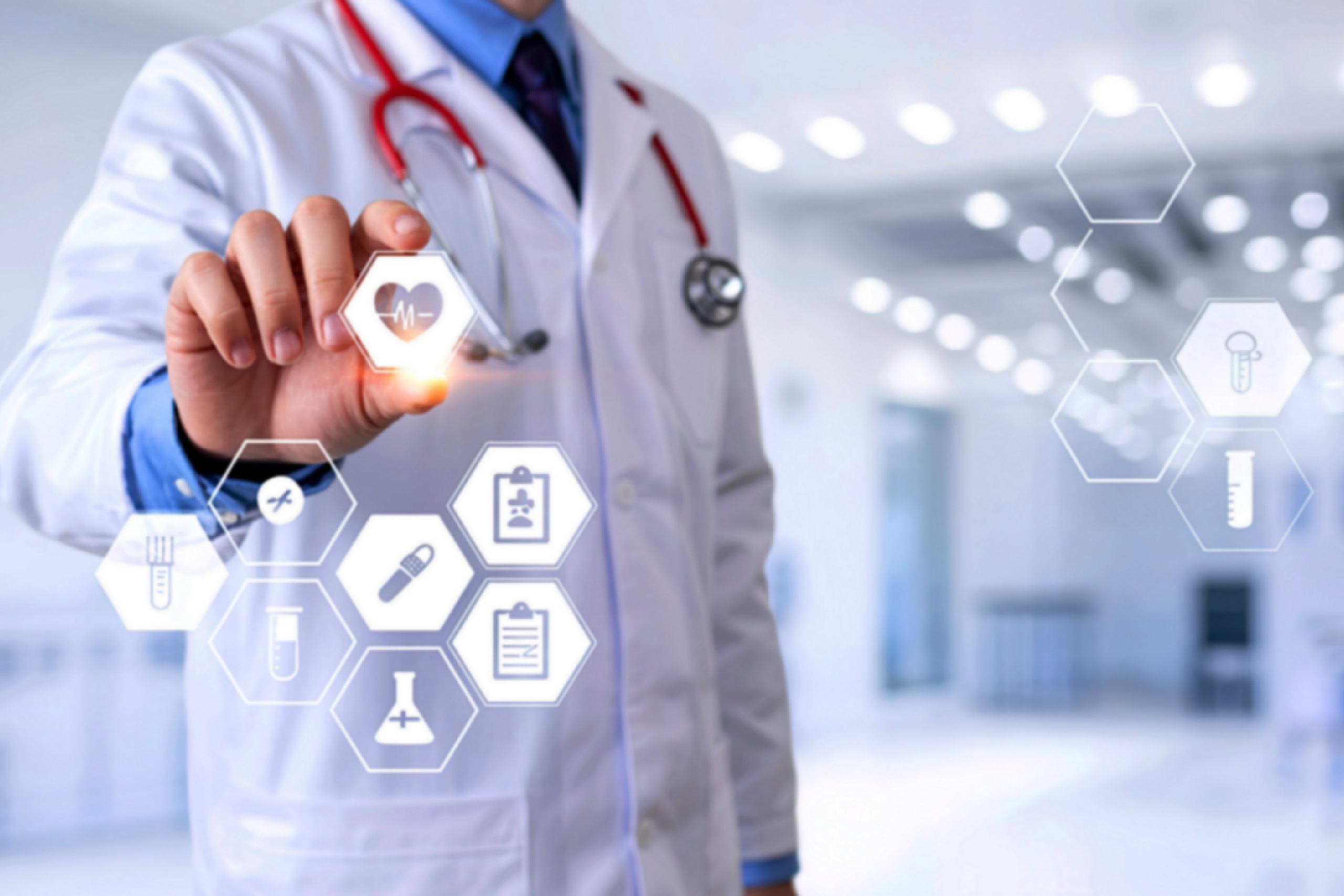
Technology has become a driving force behind major advancements in healthcare. From digital record systems to artificial intelligence diagnostics, innovation continues reshaping how medical professionals deliver care. Hospitals, clinics, and research institutions increasingly rely on advanced tools to enhance accuracy, efficiency, and patient outcomes. What once required manual processes and lengthy paperwork is now streamlined through automation and interconnected systems.
The integration of modern technologies in healthcare is not limited to treatment alone. It extends to prevention, monitoring, research, and patient engagement. Telemedicine allows doctors to consult remotely, wearable devices track vital signs in real time, and data analytics supports more informed decision-making. As healthcare systems face rising demand and complex challenges, technological solutions provide scalable and sustainable support. Understanding how these innovations are utilized across the industry highlights their growing role in improving both patient experience and overall medical performance.
Electronic Health Records and Digital Data Management
One of the most significant technological shifts in healthcare is the adoption of Electronic Health Records (EHRs). These digital systems replace traditional paper files, enabling healthcare providers to store, access, and update patient information efficiently. EHRs centralize medical histories, prescriptions, laboratory results, and treatment plans in a secure digital environment.
Digital data management improves coordination among medical professionals. When doctors, nurses, and specialists can access accurate records instantly, they make faster and more informed decisions. This reduces duplication of tests and minimizes medical errors.
Cloud-based platforms further enhance accessibility, allowing authorized personnel to retrieve patient data from multiple locations. Within broader healthcare digital transformation and medical data innovation systems, EHRs represent a foundational advancement that supports modern medical infrastructure.
Improved record-keeping not only enhances clinical workflows but also strengthens patient trust by ensuring transparency and reliability in healthcare services.
Artificial Intelligence in Diagnosis and Treatment
Artificial Intelligence (AI) is revolutionizing diagnostic accuracy and treatment planning. Machine learning algorithms analyze vast amounts of medical data to identify patterns that may not be immediately visible to human practitioners. In fields such as radiology and pathology, AI assists in detecting abnormalities in imaging scans with remarkable precision.
AI-powered tools also support predictive analytics. By evaluating patient history and risk factors, algorithms can forecast potential health issues and recommend preventive interventions. This proactive approach enhances long-term health management.
Additionally, AI contributes to drug discovery by accelerating research processes and identifying promising compounds. Pharmaceutical development, once time-consuming and expensive, benefits from automated data analysis.
Within the rapidly evolving medical technology innovation and smart healthcare solutions, AI stands out as a transformative force. While human expertise remains essential, artificial intelligence enhances efficiency and supports evidence-based decisions.
Telemedicine and Remote Patient Monitoring
Telemedicine has significantly expanded access to healthcare services. Through video consultations and digital communication platforms, patients can connect with medical professionals without visiting physical clinics. This is especially valuable in rural or underserved regions.
Remote patient monitoring devices, such as wearable fitness trackers and smart medical sensors, allow continuous tracking of vital signs. Data collected from these devices is transmitted directly to healthcare providers, enabling early detection of abnormalities.
This approach reduces hospital readmissions and improves chronic disease management. Patients benefit from convenience, while healthcare facilities optimize resource allocation.
Telemedicine also enhances mental health services by providing discreet and accessible support. As digital infrastructure improves globally, remote healthcare solutions continue gaining momentum as essential components of modern medicine.
Robotics and Minimally Invasive Surgery
Robotic-assisted surgery represents another milestone in healthcare technology. Advanced robotic systems allow surgeons to perform complex procedures with greater precision and control. These tools enhance visualization, reduce hand tremors, and enable minimally invasive techniques.
Minimally invasive procedures typically result in smaller incisions, reduced pain, shorter recovery times, and lower infection risks. Patients often experience quicker rehabilitation compared to traditional surgery.
Robotics also plays a role in rehabilitation therapy. Automated systems assist patients in regaining mobility after injuries or neurological conditions. These innovations enhance recovery outcomes and reduce physical strain on healthcare professionals.
By combining human expertise with robotic precision, modern surgical technology improves safety and overall procedural effectiveness.
Big Data and Personalized Medicine
Big data analytics has transformed how healthcare systems interpret large-scale information. By analyzing patient populations, researchers identify trends in disease progression, treatment effectiveness, and preventive strategies.
Personalized medicine uses genetic information and data analytics to tailor treatments to individual patients. Instead of applying a uniform approach, healthcare providers can customize therapies based on unique biological markers.
This precision improves treatment success rates and reduces adverse side effects. Genetic testing and biomarker analysis enable early detection of hereditary conditions and targeted interventions.
Data-driven insights support evidence-based policymaking and resource distribution. As healthcare continues evolving, big data strengthens decision-making processes at both clinical and administrative levels.
Conclusion
Technology has fundamentally transformed the healthcare industry by enhancing accuracy, accessibility, and efficiency across medical services. From digital health records and artificial intelligence diagnostics to telemedicine, robotics, and personalized medicine, each innovation plays a vital role in modernizing patient care. These advancements streamline administrative processes, support data-driven decision-making, and improve treatment outcomes. While challenges such as data privacy and implementation costs remain, the long-term benefits of technological integration continue to outweigh the obstacles. Healthcare professionals now operate in a more connected and intelligent ecosystem where information flows seamlessly and patient engagement increases. As innovation progresses, future developments may further refine predictive medicine, automated treatments, and global healthcare accessibility. Embracing technology responsibly ensures that medical systems remain adaptive and resilient in meeting growing demands. Ultimately, the integration of advanced tools and digital systems represents a powerful step toward safer, smarter, and more patient-centered healthcare solutions.