
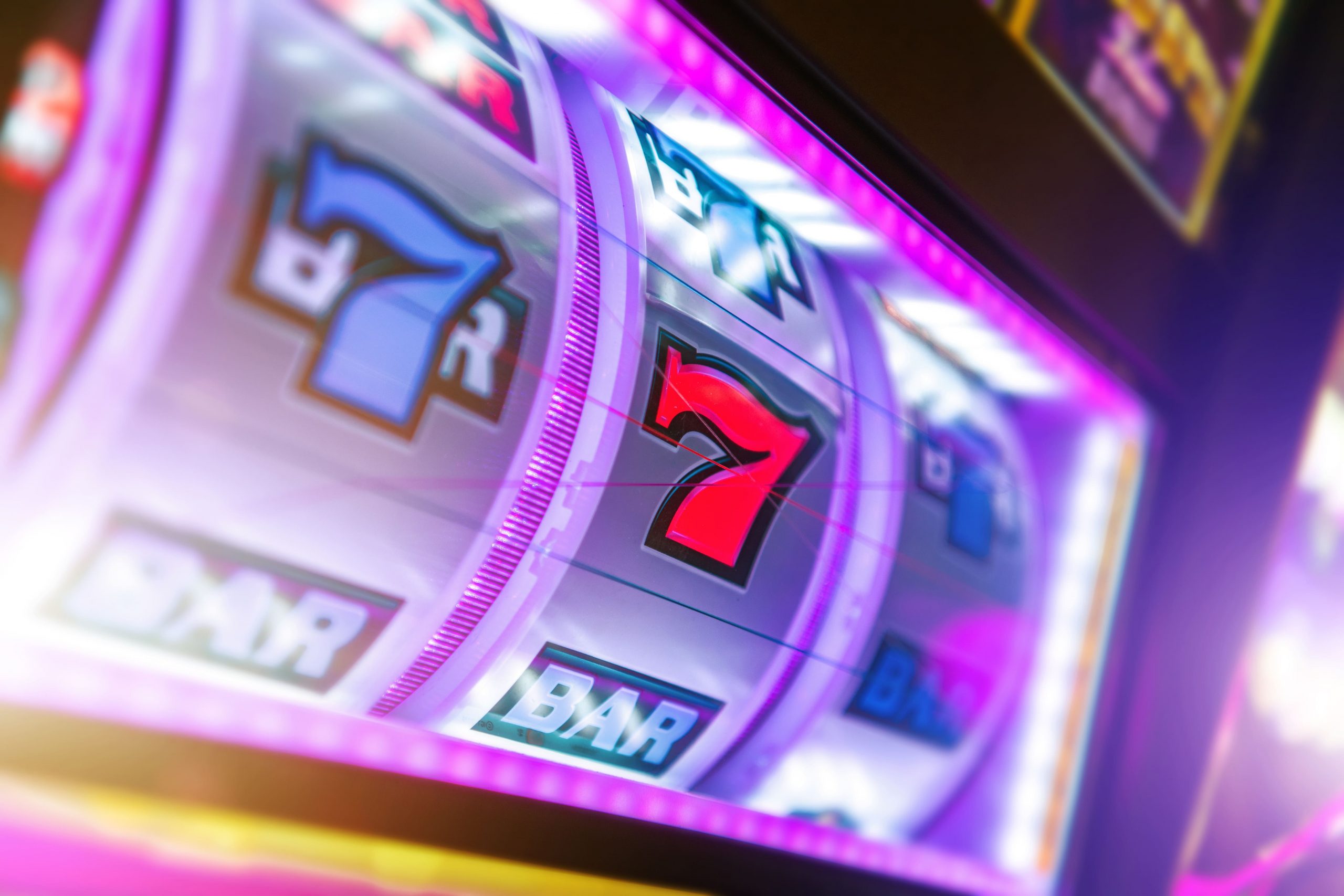
Slot machines are among the most popular attractions in both land-based and online casinos. Their bright displays, engaging sound effects, and simple gameplay make them appealing to beginners and experienced gamblers alike. Unlike table games that require strategy or interaction with dealers, slot machines offer a straightforward experience—insert money, spin the reels, and hope for matching symbols. Yet behind this simplicity lies a complex system powered by algorithms and payout structures.
Many players are drawn to slots because of their accessibility and the possibility of large jackpots. However, understanding how slot machines actually work can improve the overall experience and help players manage expectations. From paylines and bonus features to return-to-player (RTP) percentages, each element plays a role in shaping outcomes. By learning the fundamentals, players can approach slot machines with greater awareness and make more informed decisions while enjoying the entertainment they provide.
Understanding How Slot Machines Work
Modern slot machines operate using Random Number Generators (RNGs), which ensure that every spin is independent and unpredictable. The RNG continuously produces numbers even when the machine is not in use. Once a player presses the spin button, the system selects a random result corresponding to symbol combinations on the reels.
Unlike traditional mechanical slots, today’s machines are digital and often feature multiple paylines, interactive graphics, and themed storylines. Paylines determine how winning combinations are formed. Some slots have fixed paylines, while others allow players to choose how many lines to activate.
Another important factor is the Return to Player (RTP) percentage. RTP indicates the theoretical percentage of total wagers a machine returns to players over time. For example, a slot with 96% RTP is designed to pay back $96 for every $100 wagered in the long run. Within the broader casino slot gaming and wagering systems, understanding RTP and volatility helps players align expectations with risk tolerance.
Recognizing that outcomes are random prevents reliance on myths such as “hot” or “due” machines.
Types of Slot Machines in Casinos
Casinos offer various types of slot machines to suit different preferences. Classic slots typically feature three reels and simple symbols such as fruits, bars, and sevens. These machines appeal to players who prefer straightforward gameplay without complex bonus features.
Video slots are more advanced, often including five or more reels, multiple paylines, and interactive bonus rounds. They may incorporate story-driven themes, free spins, multipliers, and mini-games. Progressive jackpot slots are particularly attractive because a portion of each bet contributes to a growing prize pool that can reach substantial amounts.
High-limit slots cater to players who wish to wager larger sums per spin, while penny slots allow smaller bets with higher volatility. Choosing the right type depends on budget, risk tolerance, and entertainment preference.
Understanding these categories enables players to select machines aligned with their goals—whether seeking consistent smaller wins or chasing large jackpot opportunities.
Basic Tips for Playing Slot Machines Wisely
While slot machines are games of chance, certain practical tips can improve the overall experience. First, setting a clear budget before playing is essential. Players should decide in advance how much they are willing to spend and avoid exceeding that limit.
Selecting machines with higher RTP percentages can also influence long-term outcomes. Though results remain random, higher RTP slots generally offer better theoretical returns. Additionally, understanding volatility helps players anticipate gameplay patterns. High-volatility slots pay less frequently but offer larger potential wins, while low-volatility machines provide smaller, more frequent payouts.
Taking advantage of casino promotions and loyalty programs can extend playing time. Bonuses, free spins, or cashback offers enhance value when used responsibly.
Within the broader regulated casino gaming and responsible betting environment, disciplined bankroll management remains the most important strategy. Slots should be viewed primarily as entertainment rather than a guaranteed income source.
The Role of Bonuses and Special Features
Modern slot machines incorporate various bonus features that enhance excitement. Free spins are among the most common, allowing players to spin reels without additional wagers. Multipliers can increase winnings by doubling or tripling payouts during specific rounds.
Wild symbols substitute for other symbols to form winning combinations, while scatter symbols often trigger bonus games regardless of payline position. Some slots also feature expanding reels or cascading symbols that create additional winning opportunities.
Understanding the paytable before playing helps players identify these features and how they activate. The paytable explains symbol values, payout combinations, and special rules. Many beginners overlook this section, yet it provides valuable information about potential rewards.
Bonus rounds add entertainment value and occasionally boost payouts. However, they remain subject to RNG outcomes. Knowing how these features work enhances enjoyment while maintaining realistic expectations.
Responsible Gambling and Managing Expectations
Slot machines are designed for entertainment, and responsible gambling practices ensure that experience remains positive. Establishing time limits alongside spending limits helps prevent excessive play. Taking breaks also allows players to maintain perspective and avoid emotional decision-making.
It is important to remember that slot outcomes are entirely random. There is no guaranteed strategy to force a win, and losses are part of the game. Viewing slots as a leisure activity rather than a financial opportunity reduces stress and unrealistic expectations.
Casinos often provide tools for responsible gaming, including self-exclusion options and deposit limits. Players should use these features if necessary to maintain control.
Approaching slot machines with discipline and awareness allows players to enjoy the excitement while minimizing risks. Entertainment value should always outweigh financial motivations.
Conclusion
Playing slot machines in a casino combines simplicity with excitement, making them one of the most accessible forms of gambling. Powered by Random Number Generators, each spin operates independently, ensuring unpredictability and fairness. Understanding key elements such as RTP, volatility, paylines, and bonus features helps players approach the game with greater awareness. While various slot types—from classic machines to progressive jackpots—offer diverse experiences, responsible play remains essential regardless of format. Budget control, realistic expectations, and disciplined time management protect players from unnecessary losses. Slot machines should be enjoyed as entertainment rather than viewed as reliable sources of income. Modern features and immersive themes enhance engagement, but outcomes ultimately depend on chance. By learning how slot systems function and embracing responsible gambling practices, players can maximize enjoyment while minimizing potential risks. Knowledge, moderation, and perspective are the foundations of a positive slot machine experience in any casino setting.