
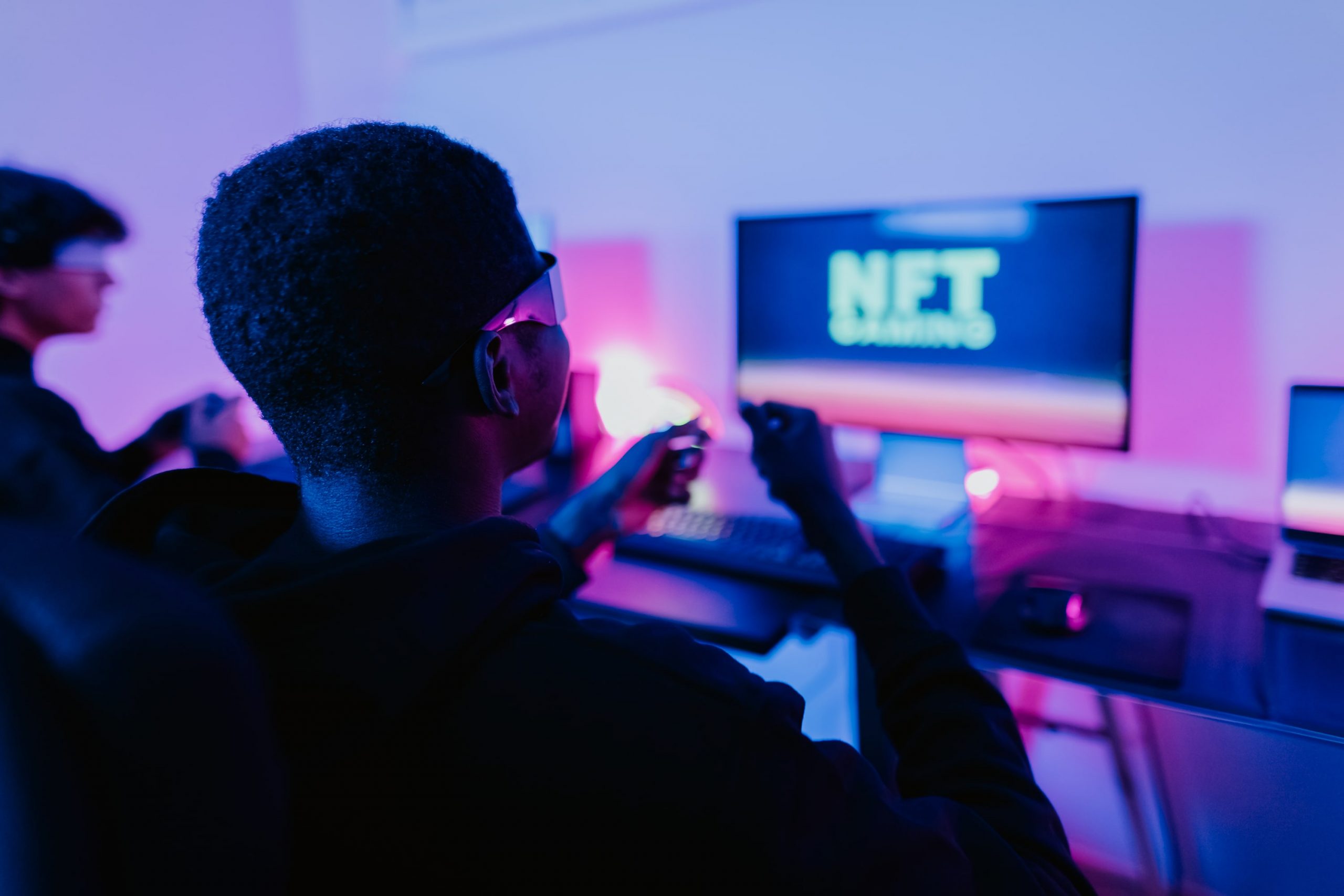
The gaming industry has evolved rapidly over the past decade, introducing new technologies that reshape how players interact with digital worlds. One of the most talked-about innovations is NFT gaming, a concept that combines blockchain technology with interactive entertainment. Unlike traditional video games where in-game items remain locked within a platform, NFT-based games allow players to truly own certain digital assets. These assets can be traded, sold, or transferred outside the game environment, creating new economic opportunities.
NFT gaming gained popularity alongside the rise of cryptocurrencies and decentralized platforms. It introduced the idea that time spent playing could generate real-world value. However, the concept can seem confusing at first glance, especially for newcomers unfamiliar with blockchain systems. Understanding how NFT gaming works, its advantages, potential risks, and how it differs from traditional online games is essential for anyone interested in exploring this growing digital trend.
Understanding the Basics of NFT Gaming
NFT stands for “non-fungible token,” a unique digital asset stored on a blockchain. Unlike cryptocurrencies such as Bitcoin or Ethereum, which are interchangeable, NFTs are distinct and cannot be replaced with something identical. In gaming, NFTs often represent in-game items such as characters, weapons, skins, land, or collectibles.
In traditional games, players purchase items but do not truly own them. The game developer controls the ecosystem, and items cannot usually be transferred outside the platform. NFT gaming changes this structure. When a player acquires an NFT asset, ownership is recorded on the blockchain, allowing it to be sold or traded on external marketplaces.
This structure has fueled the growth of the blockchain gaming and digital asset ownership ecosystem, where players can monetize rare or valuable in-game items. However, the value of NFTs depends on demand, utility, and the overall health of the game’s economy.
Understanding these fundamentals helps players distinguish between standard microtransactions and blockchain-based ownership systems.
How Play-to-Earn Models Work
One of the most prominent features of NFT gaming is the play-to-earn (P2E) model. In this system, players can earn cryptocurrency tokens or NFT assets by completing missions, winning battles, or participating in tournaments. These rewards can sometimes be exchanged for real-world money through crypto exchanges.
The appeal lies in combining entertainment with earning potential. Instead of simply spending money on in-game purchases, players may generate digital assets that hold market value. Early NFT games gained attention for allowing players in certain regions to supplement income through gameplay.
However, play-to-earn models depend heavily on sustainable token economies. If too many tokens are distributed without sufficient demand, their value may decline. This makes economic balance crucial for long-term success.
Within the expanding crypto gaming and decentralized virtual economies, play-to-earn has become a defining feature. While it offers new opportunities, players should approach it with realistic expectations and an understanding of market volatility.
Key Features That Differentiate NFT Games
NFT games differ from traditional online games in several ways. First, they use blockchain technology to verify ownership and transactions. This decentralized approach reduces reliance on centralized servers for asset control.
Second, NFT games often integrate cryptocurrency wallets. Players must connect digital wallets to store tokens and NFT items securely. This adds a financial layer that traditional games typically lack.
Third, many NFT games allow interoperability. In some ecosystems, assets can be used across multiple games or platforms, increasing their utility and appeal. However, interoperability depends on developer agreements and shared standards.
Transparency is another distinguishing factor. Because transactions occur on public blockchains, they can be verified by anyone. This builds trust but also introduces complexity for beginners unfamiliar with crypto tools.
These features collectively create a gaming environment where digital items function as both entertainment tools and tradable assets.
Advantages and Opportunities of NFT Gaming
NFT gaming introduces several potential benefits. True digital ownership empowers players to control their assets independently of developers. This creates a sense of permanence and investment beyond gameplay.
Marketplaces enable players to buy and sell rare items, potentially generating profits. Competitive players may earn rewards through tournaments, staking systems, or limited-edition asset drops.
Additionally, NFT gaming fosters strong community engagement. Many projects operate through decentralized governance models, where token holders can vote on updates or game development decisions. This gives players a voice in shaping the ecosystem.
Innovation is another advantage. Developers experiment with virtual land ownership, customizable avatars, and immersive metaverse environments. These features push boundaries within the broader gaming industry.
While opportunities exist, success often depends on research and careful participation rather than speculation alone.
Risks and Challenges to Consider
Despite its appeal, NFT gaming carries certain risks. Cryptocurrency markets are volatile, meaning token values can fluctuate significantly. Players who invest money in NFTs may experience financial losses if demand declines.
Security is another concern. Digital wallets must be protected from hacking attempts and phishing scams. Without proper safeguards, assets can be permanently lost.
Regulatory uncertainty also affects the industry. Governments worldwide continue evaluating cryptocurrency regulations, which may impact NFT platforms and exchanges.
Furthermore, not all NFT games achieve long-term sustainability. Some projects lose popularity quickly, reducing asset value and player engagement.
Understanding these challenges is essential before participating. NFT gaming should be approached as entertainment first, with financial considerations evaluated carefully.
Conclusion
NFT gaming represents a significant shift in how digital entertainment and ownership intersect. By combining blockchain technology with interactive gameplay, it allows players to own, trade, and potentially earn from in-game assets. Play-to-earn models and decentralized marketplaces introduce financial opportunities that traditional gaming does not offer. However, this innovation also brings complexity, volatility, and regulatory uncertainty. True digital ownership may empower players, but asset values remain dependent on market demand and project sustainability. For newcomers, understanding the mechanics of blockchain, wallets, and token economies is crucial before investing time or money. As the gaming landscape continues evolving, NFT platforms will likely refine their economic models and technological frameworks. Whether viewed as a revolutionary advancement or an experimental trend, NFT gaming undeniably influences the future direction of interactive entertainment. Players who approach it with knowledge, caution, and realistic expectations can explore its possibilities while minimizing potential risks.